
Motorcycle Accident Attorney in Alaska
Statewide Representation for Injured Riders, Backed by 50 Years of Alaska Legal Experience
When a crash ends your ride, the decisions you make in the days that follow shape everything about your recovery, financial and physical. Kelley & Canterbury has represented injured Alaskans since 1975, and our motorcycle accident practice extends across the entire state. Riders hurt on the Parks Highway, the Glenn Highway, the Seward Highway, or anywhere else in Alaska have the same legal rights and deserve the same quality of counsel.
What sets our firm apart is how we work. Attorneys Michaela and Chris each bring over 30 years of individual legal experience to every case, and they work collaboratively on each one. You don’t get handed off to a paralegal or a junior associate. You get both of them.
If you’ve been injured in a motorcycle accident anywhere in Alaska, call Kelley & Canterbury today at (888) 639-4817 to schedule your free consultation.
Why Injured Riders Across Alaska Choose Kelley & Canterbury
A motorcycle accident claim isn’t just a car accident claim with a different vehicle. Insurers bring different assumptions, different bias, and different tactics. Handling these cases well takes a firm that knows Alaska law, knows the insurance industry’s playbook, and has the track record to push back credibly.
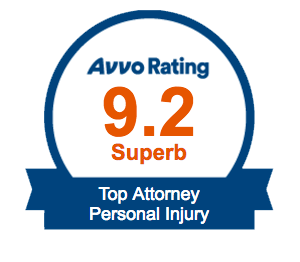
Kelley & Canterbury has taken cases to the Alaska Supreme Court and contributed to shaping Alaska case law. National firms have brought us in for co-counsel and representation roles, a marker of standing that extends well beyond the local market. We carry a Superb Avvo rating, BBB accreditation, and 5-star Google reviews built over decades of client service.
Our office has a reputation for being approachable. Clients often mention the family atmosphere, including our office dogs Bean, Bonnie, and Clyde. That matters, because navigating a serious injury claim is hard enough without feeling like you’re walking into an intimidating institution.
Alaska Motorcycle Accident Law: What Injured Riders Need to Know
Alaska follows pure comparative fault under AS 09.17.060. A rider’s compensation is reduced by their percentage of fault, but no claim is barred regardless of how fault is divided. If you were 30 percent at fault, you can still recover 70 percent of your damages. Insurers know this and routinely try to inflate a rider’s share of fault to reduce what they pay. An experienced motorcycle accident lawyer in Alaska knows how to challenge those arguments with evidence.
The statute of limitations for personal injury claims in Alaska is two years from the date of the accident under AS 09.10.070. Missing that deadline eliminates the right to pursue a claim entirely, regardless of how strong the case might be.
Alaska’s Helmet Law
Under AS 28.35.245, licensed adult riders 18 and older aren’t required to wear a helmet in Alaska. Riders and passengers under 18, and those riding on instructional permits, must wear one. If an adult rider wasn’t wearing a helmet, an insurer may argue that non-use worsened head injuries. That’s a factual and legal argument we can address. Helmet non-use doesn’t bar an adult rider’s claim.
Filing Options After a Crash
Alaska is a fault-based insurance state. Injured riders can file directly against the at-fault driver’s insurer, file through their own insurer, or pursue a personal injury lawsuit. When the at-fault driver carries no insurance or is underinsured, uninsured motorist coverage on the rider’s own policy can provide a critical recovery path.
Damages Available in an Alaska Motorcycle Accident Claim
Alaska places no cap on economic damages. Recoverable categories include medical bills, emergency transport, surgery, hospitalization, physical therapy, projected future treatment costs, lost wages during recovery, reduced earning capacity, motorcycle repair or replacement, and damaged riding gear. Motorcycle injuries, including road rash, fractures, traumatic brain injury, spinal cord damage, and burns, frequently require extended care with future costs that must be carefully projected and documented to build a complete claim.
Non-economic damages, covering pain and suffering, inconvenience, physical impairment, disfigurement, loss of enjoyment of life, loss of consortium, and other nonpecuniary losses, are subject to Alaska’s statutory cap under AS 09.17.010. The cap is $400,000 in most cases and rises to $1,000,000 for cases involving severe permanent physical impairment or severe disfigurement.
Talk to a Motorcycle Accident Attorney in Alaska at No Upfront Cost
Evidence doesn’t wait. The damaged motorcycle, your riding gear, witness recollections, and crash scene conditions all become harder to preserve as time passes. Insurers use delay to build arguments that undervalue your claim. The sooner you contact an attorney, the more time we have to protect what matters before it’s gone.
Kelley & Canterbury offers free consultations to injured motorcyclists across Alaska, and we work on contingency. You pay no fees unless we recover compensation for you.
Call us at (888) 639-4817 or reach out online to speak with Michaela or Chris directly about your Alaska motorcycle accident claim.



Why Motorcycle Accidents in Alaska Are Especially Serious
Motorcyclists share roads with drivers but not the protection of an enclosing vehicle structure. That physical vulnerability, combined with Alaska’s road conditions and geography, makes crashes here particularly severe. The Alaska Highway Safety Office recorded 10 motorcycle fatalities in 2024, up from 8 in 2023. For those who survive, injuries often require multiple surgeries, long rehabilitation, and permanent limitations.
Alaska’s long winters create a seasonal hazard that’s easy to overlook. When summer arrives, drivers who haven’t shared roads with motorcycles in months often fail to register them in their awareness, contributing to failure-to-yield and left-turn crashes at the start of riding season. Outside urban areas, gravel road surfaces, wildlife crossings, freeze-thaw pavement damage, and limited lighting add hazards that drivers of enclosed vehicles rarely encounter. Remote locations can also mean long emergency transport times that compound the medical severity of injuries.
Insurers add another layer of difficulty. A common tactic is arguing that motorcycling is an inherently risky activity, using lifestyle bias to shift focus away from the at-fault driver’s conduct. Our job as your motorcycle accident attorneys in Alaska is to redirect that focus squarely to what the other driver did wrong.
Common Causes of Motorcycle Crashes in Alaska
Understanding how crashes happen helps establish who bears responsibility. The most common pattern is a driver failing to yield or turning left across an approaching rider’s path. The smaller profile of a motorcycle makes it harder for inattentive drivers to judge speed and distance, and many left-turn collisions happen because the driver simply didn’t look carefully enough.
Other frequent causes include:
- Lane encroachment: A driver drifting or changing lanes into a rider’s space, particularly common on multi-lane roads
- Distracted driving: Prohibited under Alaska law but a documented cause of motorcycle crashes statewide
- Gravel on road surfaces: Loose material, especially after winter or on unpaved sections, can destabilize a motorcycle without warning
- Wildlife in the roadway: Moose, caribou, and other animals entering roads are a real and underappreciated hazard unique to Alaska riding
- Rapidly changing weather: Reduced visibility or sudden loss of traction can occur with little time to react
Common injuries in these crashes include road rash, broken bones, traumatic brain injuries, spinal cord injuries, and burns. These injuries are more likely than those from car accidents to require multiple surgeries and produce permanent limits on mobility or the ability to return to prior work.
Steps to Take After a Motorcycle Accident in Alaska
What you do in the hours and days after a crash directly affects the strength of your claim. Taking the right steps protects both your health and your legal rights.
Call 911 Immediately
Law enforcement documentation of the scene and the responding medical personnel’s records both become part of the official record your claim will depend on. Don’t leave the scene without a report.
Seek Medical Evaluation
Go even if you feel fine. Adrenaline masks pain, and injuries like traumatic brain injury or internal damage may not produce obvious symptoms right away. A gap in medical treatment is one of the most common arguments insurers use to undervalue claims.
Document the Scene
Photograph both vehicles, visible injuries, road conditions, gravel or debris, and any other contributing factors before anything is moved or cleaned up.
Preserve Your Riding Gear
Don’t discard your helmet, jacket, or gloves. Damaged gear demonstrates the force of impact and can counter arguments that injuries weren’t severe.
Don’t Give a Recorded Statement
The other driver’s insurer will ask for one. Adjusters are trained to ask questions designed to shift fault toward the rider. Get legal advice before you speak with them.
Contact an Attorney Early
Alaska’s two-year statute of limitations under AS 09.10.070 starts on the date of the accident. Acting early gives us time to gather evidence, preserve the crash record, and build the strongest possible case for your recovery. Contact Kelley & Canterbury as soon as you’re able after your crash.
Standing Strong for Alaska’s Injured
Why Clients Choose Us
-
Boutique Firm, Big Results
We offer the personalized attention of a boutique firm with the ability to secure the compensation you deserve for injuries of all types.
-
Local Knowledge, National Recognition
Rooted in Anchorage, we’ve built a legacy of excellence, trusted locally and by national firms for co-counsel and representation.
-
Peace of Mind After Personal Injury
We handle the legal work so you can focus on healing. From insurance claims to court representation, we’re with you every step of the way.
-
Anchorage’s Trusted Advocates Since 1975For nearly 50 years, we’ve helped Alaskans recover after devastating accidents, holding negligent parties accountable for their actions.