
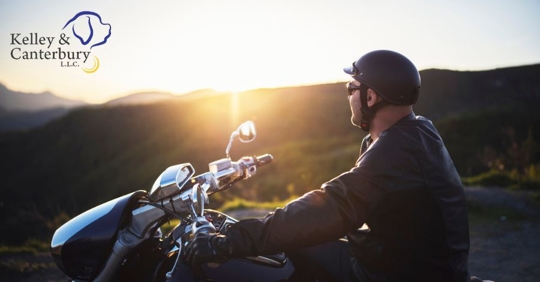
Alaska. The very name conjures images of breathtaking wilderness, majestic mountains, and endless horizons. For motorcyclists, it's a dream destination, offering some of the most spectacular rides on Earth. But with such unparalleled beauty comes a unique set of challenges. As your riding season approaches, we want to help you prepare for the specific hazards that Alaskan roads can present and avoid motorcycle accidents.
When is Riding Season in Alaska?
Alaska's riding season is a precious, albeit brief, window. Generally, you can expect the roads to be clear and enjoyable from late May to early September. Of course, this can vary significantly depending on the region and the year's weather patterns. Always check local forecasts and road conditions before you head out, especially early or late in the season.
Common Hazards to Be Aware Of:
1. Wildlife Encounters
This is arguably the most significant hazard in Alaska. Moose, caribou, bears, and even smaller animals like porcupines are common sights, and they don't always respect traffic laws.
Be Vigilant: Scan both sides of the road constantly, especially at dawn, dusk, and in areas with dense vegetation.
Slow Down: Reducing your speed gives you more time to react if an animal suddenly appears.
Don't Swerve Violently: If a collision is unavoidable, it's generally safer to brake hard and hit the animal rather than swerving into oncoming traffic or off the road.
2. Unpredictable Weather
Alaskan weather can change on a dime. A sunny morning can quickly turn into a cold, rainy, or even snowy afternoon, even in the middle of summer.
Layer Up: Always dress in layers, even if the day starts warm. Waterproof outer layers are a must.
Check Forecasts Frequently: Pay attention to hourly forecasts for your route.
Be Prepared for Anything: Pack extra gloves, warm socks, and rain gear.
3. Gravel and Unpaved Roads
While many main roads are paved, you'll inevitably encounter stretches of gravel or unpaved surfaces if you venture off the beaten path (which, let's be honest, is part of the allure!).
Reduce Speed: Slow down significantly before hitting gravel.
Relax Your Grip: A tense grip can make you overcorrect. Keep your arms relaxed.
Look Ahead: Focus on where you want to go, not directly at the gravel in front of your wheel.
Avoid Sudden Movements: Smooth throttle, braking, and steering inputs are key.
4. Frost Heaves and Potholes
The freeze-thaw cycles in Alaska wreak havoc on roads. Frost heaves can create sudden, dramatic bumps, and potholes can appear seemingly overnight.
Stay Alert: Look far ahead to spot these hazards.
Adjust Speed: Slow down before hitting a heave or pothole.
Maintain Control: Keep a firm but relaxed grip on the handlebars and be prepared for the bike to react.
5. Remote Areas and Limited Services
Many of Alaska's most stunning routes take you through very remote areas with long stretches between towns and services.
Plan Your Fuel Stops: Don't assume there will be a gas station every 50 miles.
Carry Essentials: Pack a repair kit, first-aid kit, extra water, and snacks.
Let Someone Know Your Route: Share your itinerary with a friend or family member.
Riding in Alaska is an unforgettable experience, and with a little preparation and awareness, you can make it a safe one too. Hopefully, these tips help you enjoy every mile of your Alaskan adventure.
Motorcycle Accident Attorneys in Anchorage
Should the unthinkable happen and you find yourself in a motorcycle accident, remember that Kelley & Canterbury is here to support you. We understand the unique challenges faced by Alaskan riders and are dedicated to helping you navigate the legal process.
Don't hesitate to reach out for a consultation at (888) 639-4817.